PREVALENCE OF HYPERCORTISOLISM IN DIFFICULT-TO-CONTROL TYPE 2 DIABETES
Buse JB, Kahn SE, Aroda VR, et al. Diabetes Care. 2025;48(12):2012-2020. doi:10.2337/dc24-2841
Buse JB, Kahn SE, Aroda VR, et al. Diabetes Care. 2025;48(12):2012-2020. doi:10.2337/dc24-2841
Elhassan YS, Alahdab F, Prete A, et al. Natural history of adrenal incidentalomas with and without mild autonomous cortisol excess: a systemic review and meta-analysis. Ann Intern Med. 2019;171(2):107-116. doi:10.7326/M18-3630
Vaidya A, Hamrahian A, Bancos I, Fleseriu M, Ghayee HK. The evaluation of incidentally discovered adrenal masses. Endocr Pract. 2019;25(2):178-192. doi:10.4158/DSCR-2018-0565

Patients can learn how excess cortisol can keep blood sugar high and cause health issues such as high blood pressure and unexplained weight gain.

Learn how cortisol is controlled by the HPA axis

Learn about different treatments available to patients with hypercortisolism

Learn about the different tests used to screen hypercortisolism
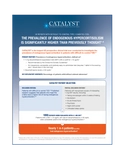
Take a look at the latest data regarding the prevalence of hypercortisolism in patients with difficult-to-control T2D
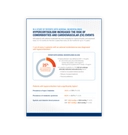
Take a look at a review of the Petramala et al. 2020 study

This review captures highlights from a roundtable discussion from experts
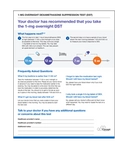
Help patients understand how to take a 1-mg DST test and how it works
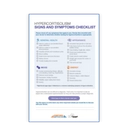
Patients can review this checklist with their doctor to determine if testing for hypercortisolism is appropriate for them